

Exploring the psychology behind high-stakes gambling decisions
The Role of Risk in High-Stakes Gambling
High-stakes gambling inherently involves a significant level of risk, which plays a crucial role in the decision-making process of gamblers. The thrill of potentially losing a large sum of money can create a powerful emotional response, often leading individuals to consider the best online poker strategies for maximizing their chances. This adrenaline rush can lead individuals to take risks they might otherwise avoid in their daily lives. The psychology of risk-taking is complex; it often intertwines with factors such as personal experiences, emotional states, and social influences.
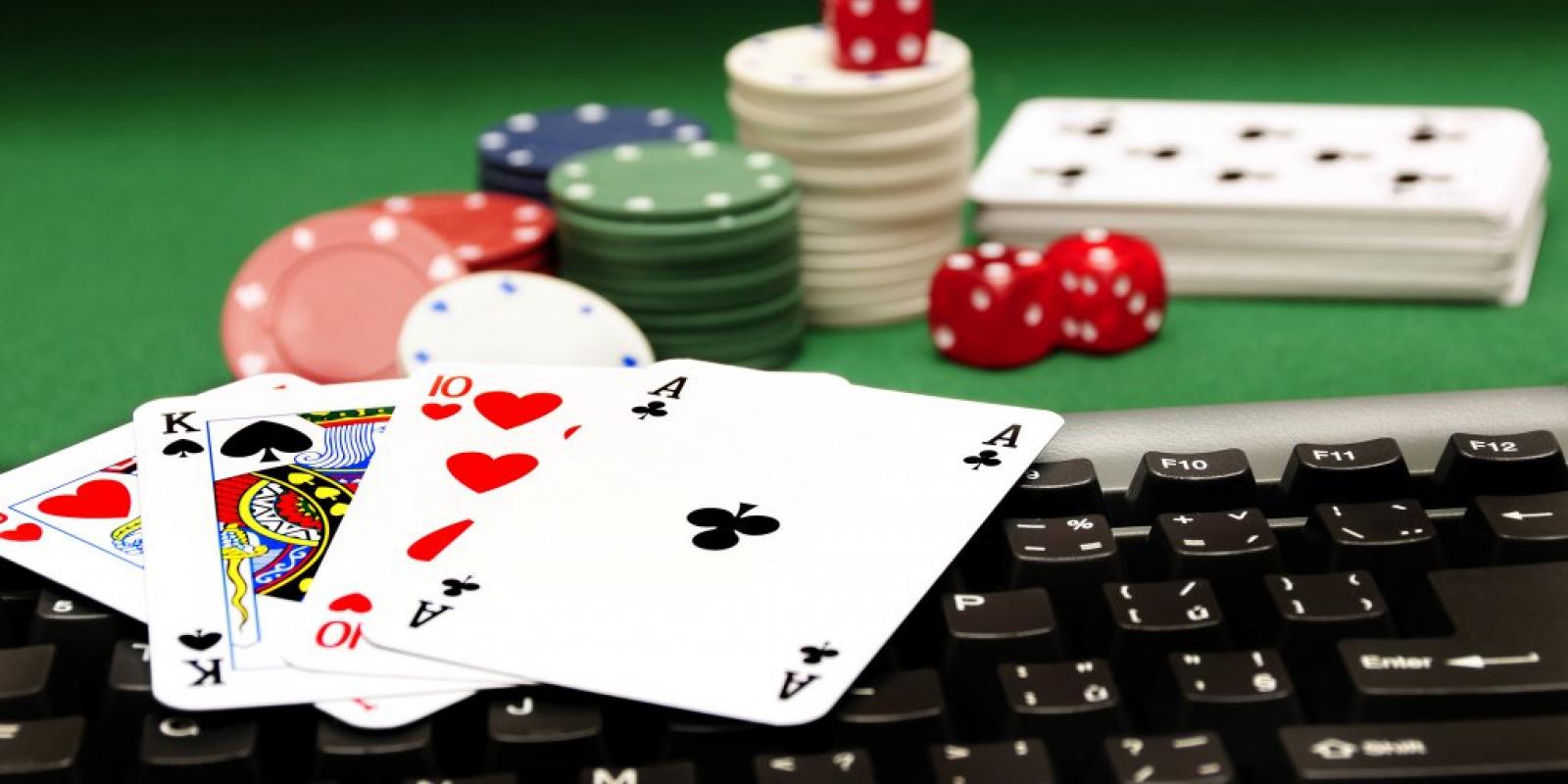
Moreover, the perception of risk can vary widely among individuals. Some may view high-stakes gambling as an opportunity for financial gain, while others may be more cautious, seeing the potential losses. This discrepancy is often influenced by cognitive biases, such as the illusion of control, where gamblers believe they can influence the outcome of games of chance, thus justifying their risk-taking behavior.
Emotional Factors in Gambling Decisions
Emotions significantly influence gambling decisions, particularly in high-stakes situations. Feelings of excitement, anticipation, and even fear can impact how much someone is willing to wager. For many, the emotional highs and lows associated with gambling can be addictive, creating a cycle where the thrill of winning motivates future risks, despite the potential for substantial losses.
Additionally, mood states play a critical role in gambling behavior. Positive emotions may encourage more aggressive betting strategies, while negative emotions can lead to impulsive decisions, often referred to as „chasing losses.“ Understanding these emotional triggers is essential for both gamblers and those looking to provide support or intervention.
The Impact of Cognitive Biases on Decision-Making
Cognitive biases are inherent thought patterns that can skew our judgment and decision-making. In high-stakes gambling, biases such as confirmation bias and the gambler’s fallacy can lead individuals to make irrational decisions. For example, a gambler might believe that a specific outcome is „due“ after a series of losses, ignoring the actual odds.
These biases can often result in poor financial decisions and an increased likelihood of gambling addiction. Awareness of these cognitive distortions is crucial for gamblers to recognize when their thinking might be leading them astray, potentially helping them make more rational choices in the heat of the moment.
The Social Environment and Group Dynamics
The social environment surrounding gambling activities can significantly affect individual decisions. Group dynamics, peer pressure, and social norms often encourage riskier behavior, particularly in high-stakes settings. The presence of friends or fellow gamblers can create a communal atmosphere that amplifies the excitement and tension of the game.
Additionally, the need for social acceptance can drive individuals to gamble beyond their means, as they seek validation from their peers. Understanding these social influences is vital for gamblers to navigate their decisions effectively, especially in high-pressure environments where the stakes are elevated.

Understanding Responsible Gambling through Information
This website serves as a valuable resource for individuals interested in understanding the complexities of gambling behavior, particularly in high-stakes scenarios. It offers insights into the psychological aspects of gambling, aiming to educate users about making informed decisions and recognizing the signs of problematic gambling.
By providing comprehensive content on the emotional and psychological factors at play, the site fosters a sense of community among those interested in responsible gambling practices. The goal is to empower individuals with knowledge, helping them to approach gambling with a balanced perspective while mitigating the risks associated with high-stakes decisions.
 Вежда
Вежда Зърна
Зърна Нос
Нос Пъп
Пъп Устна
Устна Уши
Уши Eзик
Eзик Тяло
Тяло